
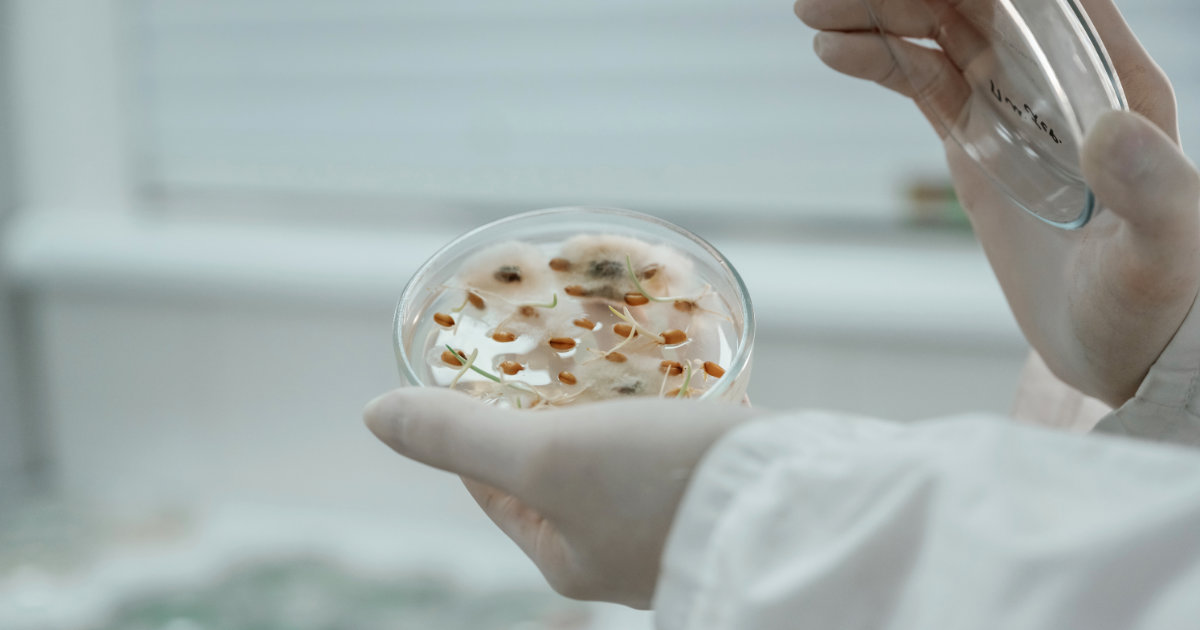
At Pepper Explorer, our seed testing protocols evaluate every harvest inside controlled germination chambers to track true germination rates and seed vigor. We test around 100 seeds per batch with zero chemical pre-treatments, establishing an honest, unmanipulated baseline. Throughout every trial, we document the process with weekly check-in photos, count the exact number of sprouted seeds at each interval, and log chamber temperatures. This transparent documentation gives growers reliable, visible proof they can see for themselves.
Why We Share the Full Picture and Go Beyond Basic Sprout Numbers
Standard commercial seed guidelines are typically built around basic legal minimums. Under federal seed labeling laws, pepper seeds only require a germination rate of 55% to be sold commercially, with testing often performed months in advance behind closed laboratory doors. While meeting baseline standards is standard commercial practice, we believe home growers benefit tremendously from having much more detail and openness about what the testing is actually showing.
A single flat germination percentage doesn’t paint the full picture of what to expect in your seed trays. Pepper varieties vary dramatically in their habits, especially superhots, which often take significantly longer to pop compared to standard sweet or mild varieties, sometimes taking twice as long before showing signs of life. In our testing chambers, maintaining steady, dialed-in heat is essential to achieve reliable emergence times, because warmth is what really gets pepper seeds moving. By openly sharing our week-by-week sprout counts, logged chamber temperatures, and checkpoint photos, we provide gardeners with realistic timelines and clear proof of vigor, so you know exactly how your seeds respond and what they need to thrive.
Germination Testing Standard
The Three Pillars of Our Germination Testing Protocol
Every seed lot grown on our farm moves through three clear check steps inside our seed lab:
Chamber Testing & Lot Tracking
We test every batch in a seed germination chamber where all samples are labeled with their unique lot number. Each lot test normally consists of one hundred seeds with absolutely no chemical pre-treatments, ensuring pure baseline data.
Environmental & Chamber Parameters
Environmental conditions inside the chamber are tracked throughout the trial. We log Temperature and Humidity. This steady care provides stable warmth for clean root emergence.
Performance Tracking & Imaging
We actively track how well the seeds perform and take high-resolution checkpoint images. Because some superhot pepper varieties take more than a month to sprout, tests can span up to eight weeks to document verified sprout growth.
The Official Seed Traceability Registry
Pepper Explorer built Trace a Seed Traceability Registry at trace.pepperexplorer.com as an exclusive tool for growers to see behind the curtain. We believe we are one of the only if not the only company in the seed industry currently showing this type of in-depth testing data and open batch records online.
A Seed Lot Passport is an open to the public digital log book record of a specific pepper harvest. We do not claim that netting is used on all plants across our farm. Instead, our Seed Lot Passport discloses if or what isolation method was used for each seed crop. These methods include mesh insect netting, greenhouse culture, spatial buffers, or open fields.
Growers can scan the on-pack QR code to view complete harvest records, weekly sprout progress, and field observations. You can also search the registry by lot number, variety name, or plant species. You can also use the dropdown list. Every passport displays the harvest date, test start date, test end date, overall germination score, logged chamber temperatures, and weekly emergence photographs.
We publish our raw testing records online so customers know exactly what to expect from a pack of our seeds. Inspect live batch records and completed trials on our Trace registry records portal.
Transparent, honest records take the guesswork out of the growing season. When you start your pepper plants with verified seed stock, you set yourself up for strong seedlings, reliable blooms, and heavy summer harvests.